
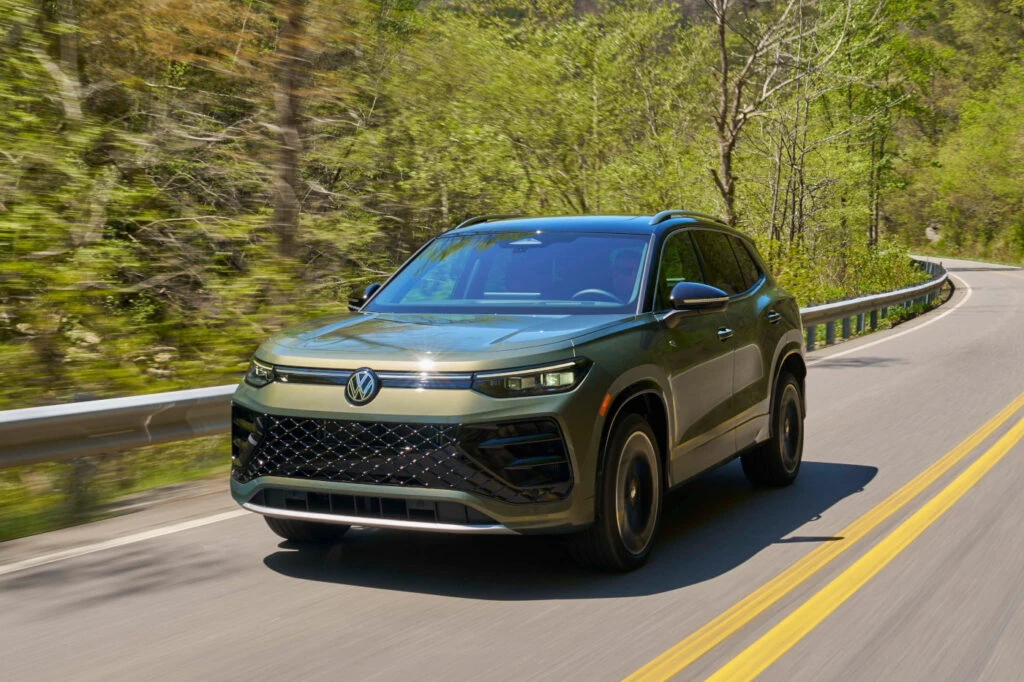
The Volkswagen Golf used to be king. It was the sensible hatchback your dad bought, your neighbour bought, and eventually you bought because you’d run out of excuses. But America, in its infinite wisdom, decided it would rather have a tall hatchback wearing hiking boots. And so the Tiguan became Volkswagen’s best-selling model.
Which brings us to this: the 2026 Volkswagen Tiguan SEL R-Line Turbo 4Motion. A name so long it sounds less like a car and more like a German military operation. Now, every Tiguan comes with Volkswagen’s trusty EA888 turbocharged 2.0-litre four-cylinder engine but Volkswagen wanted the top-spec Tiguan to feel special, so it borrowed a trick from Porsche and slapped the word “Turbo” on the back. Normally, this sort of thing is marketing nonsense. Like putting “Sport” on a dishwasher. But this time there are actual changes. Stronger pistons. Beefier connecting rods. A new crankshaft. A larger turbocharger. In other words, someone in Wolfsburg has been lifting weights.
Under the hood
The result is 268 horsepower and 258 lb feet of torque, enough to make the standard Tiguan feel like it’s towing a trailer full of concrete. Volkswagen says it’ll hit 60 mph in 6.7 seconds, which means it gets there before you’ve finished explaining to your passengers why you didn’t buy a GTI. And that’s the interesting thing. The regular Tiguan is perfectly competent, in the same way that a microwave is perfectly competent. It does the job. The Turbo version, however, actually has a pulse.
Wheels and tires
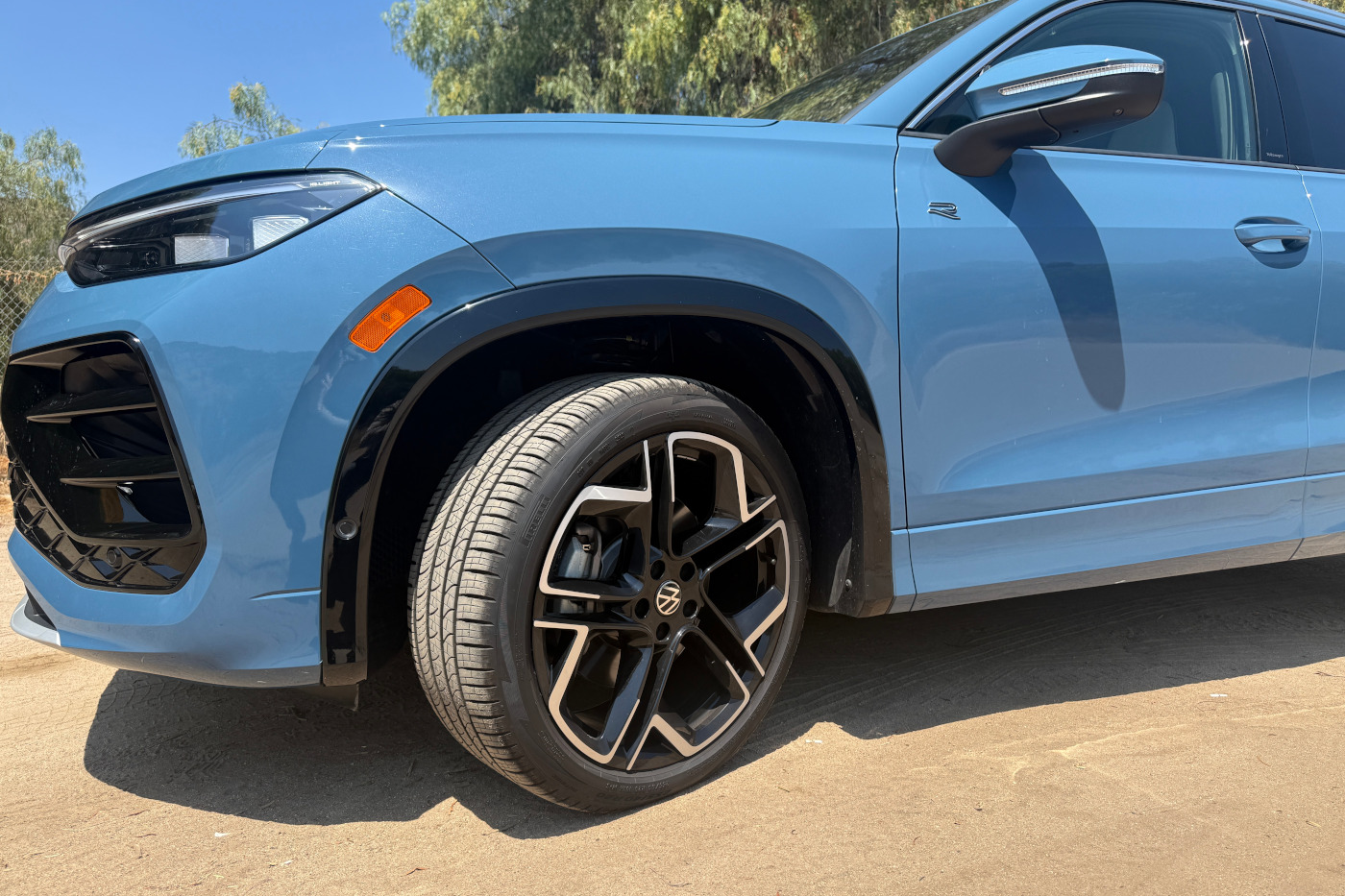
And then there are the wheels. Gigantic 20-inch alloys stuffed into the arches like Volkswagen’s designers had mistaken the Tiguan for an Audi RS model after a particularly enthusiastic lunch. They’re wrapped in chunky 255-section Pirelli Scorpion Zero tires, which sounds less like a family SUV tire and more like something you’d find on an Italian attack helicopter. It’s all wonderfully excessive for a vehicle whose natural habitat is the supermarket car park and the school run. But that’s precisely why I like them. They give the Tiguan a sense of swagger, as though it’s constantly plotting an assault on the Nürburgring when, in reality, it’s headed to Costco for a bulk purchase of paper towels and rotisserie chickens.
Driving
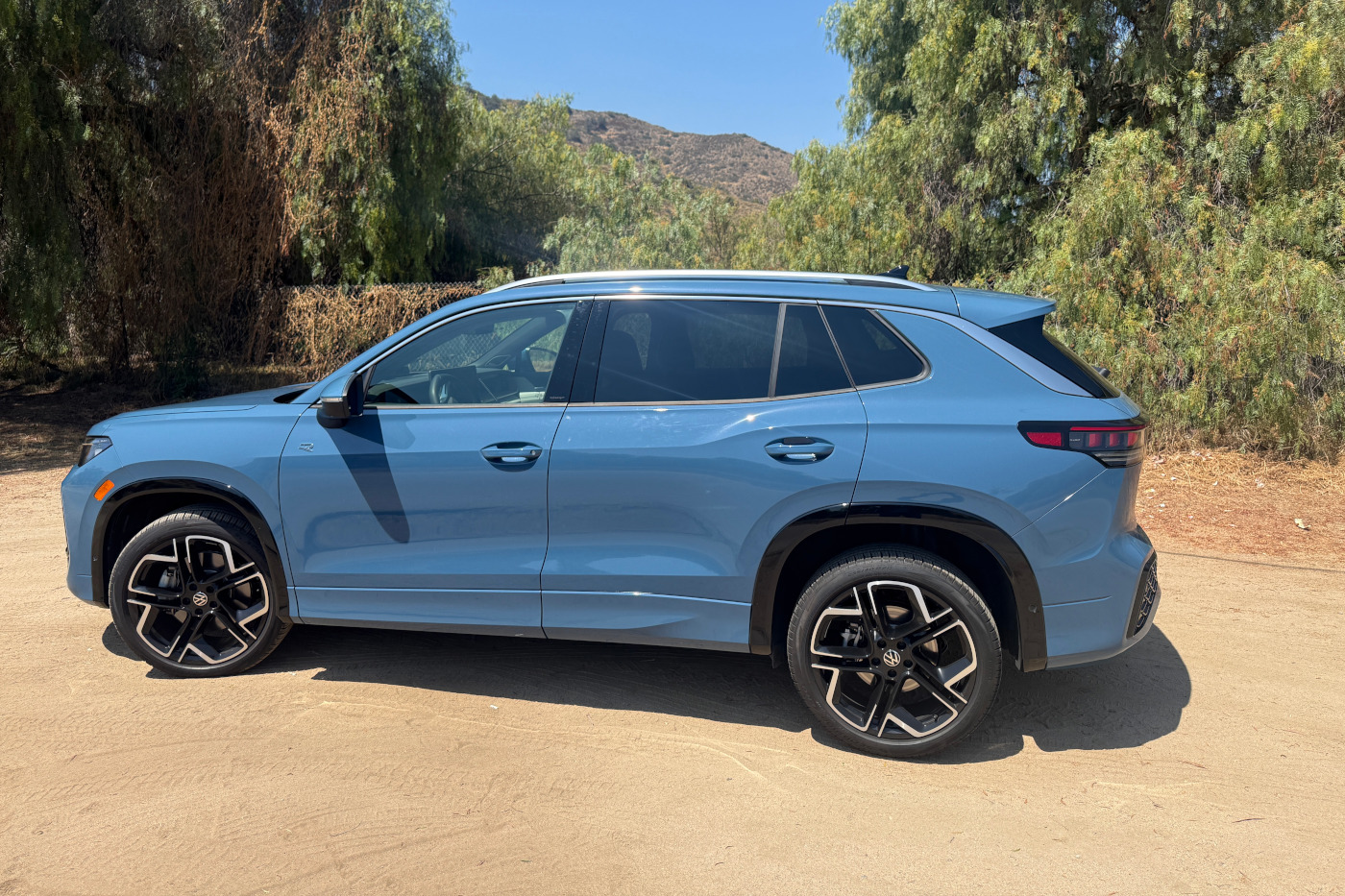
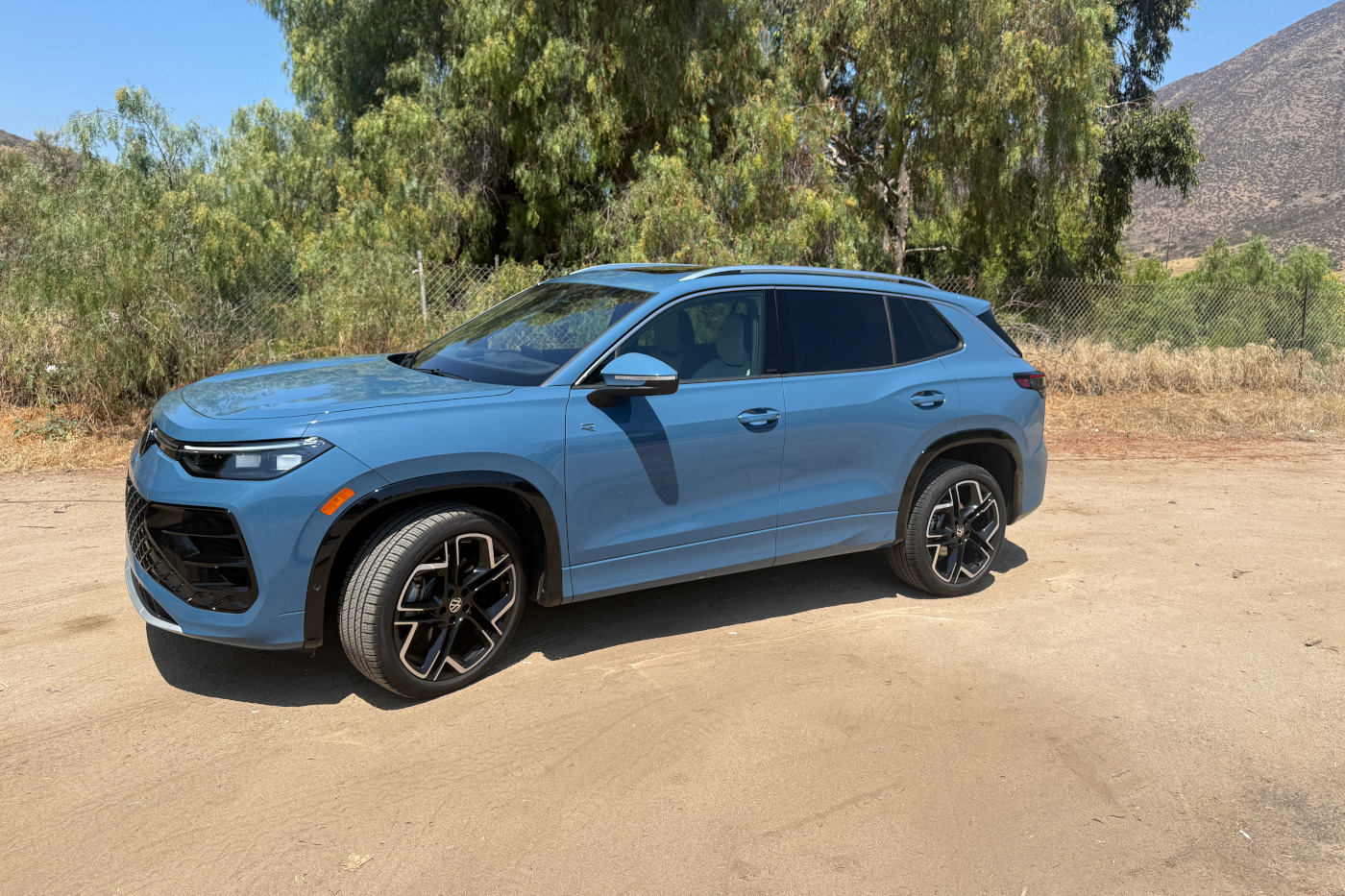
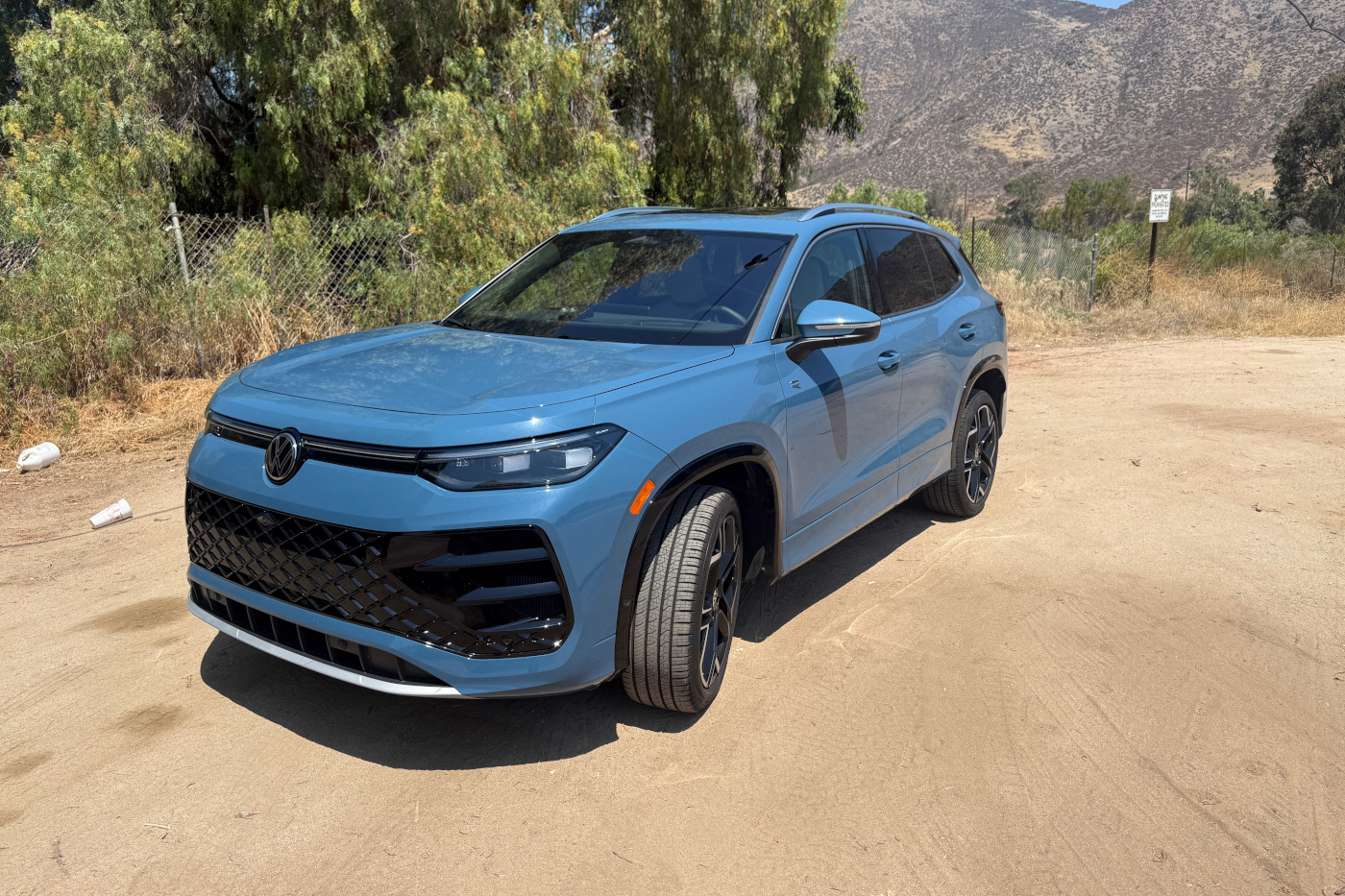
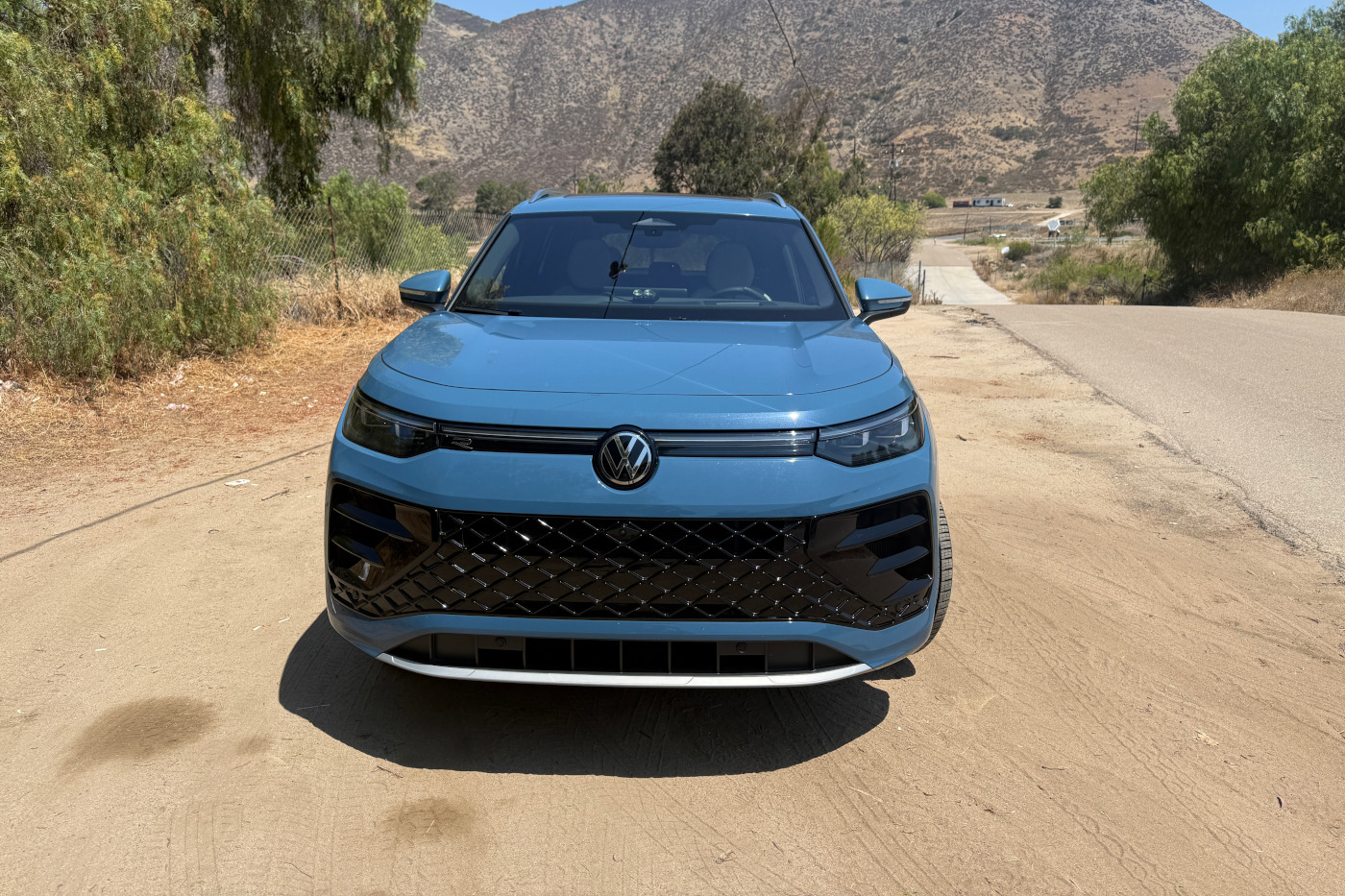
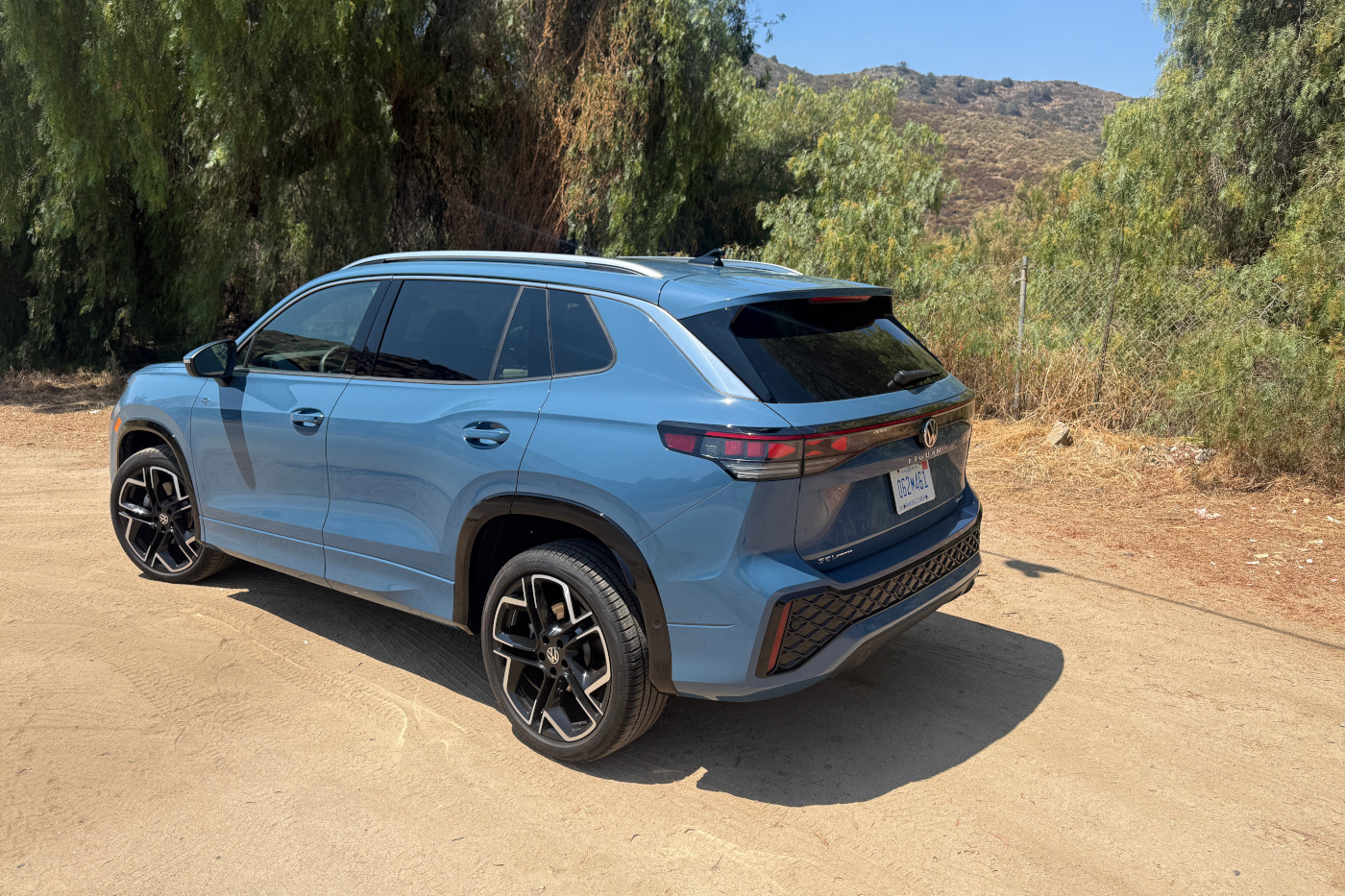
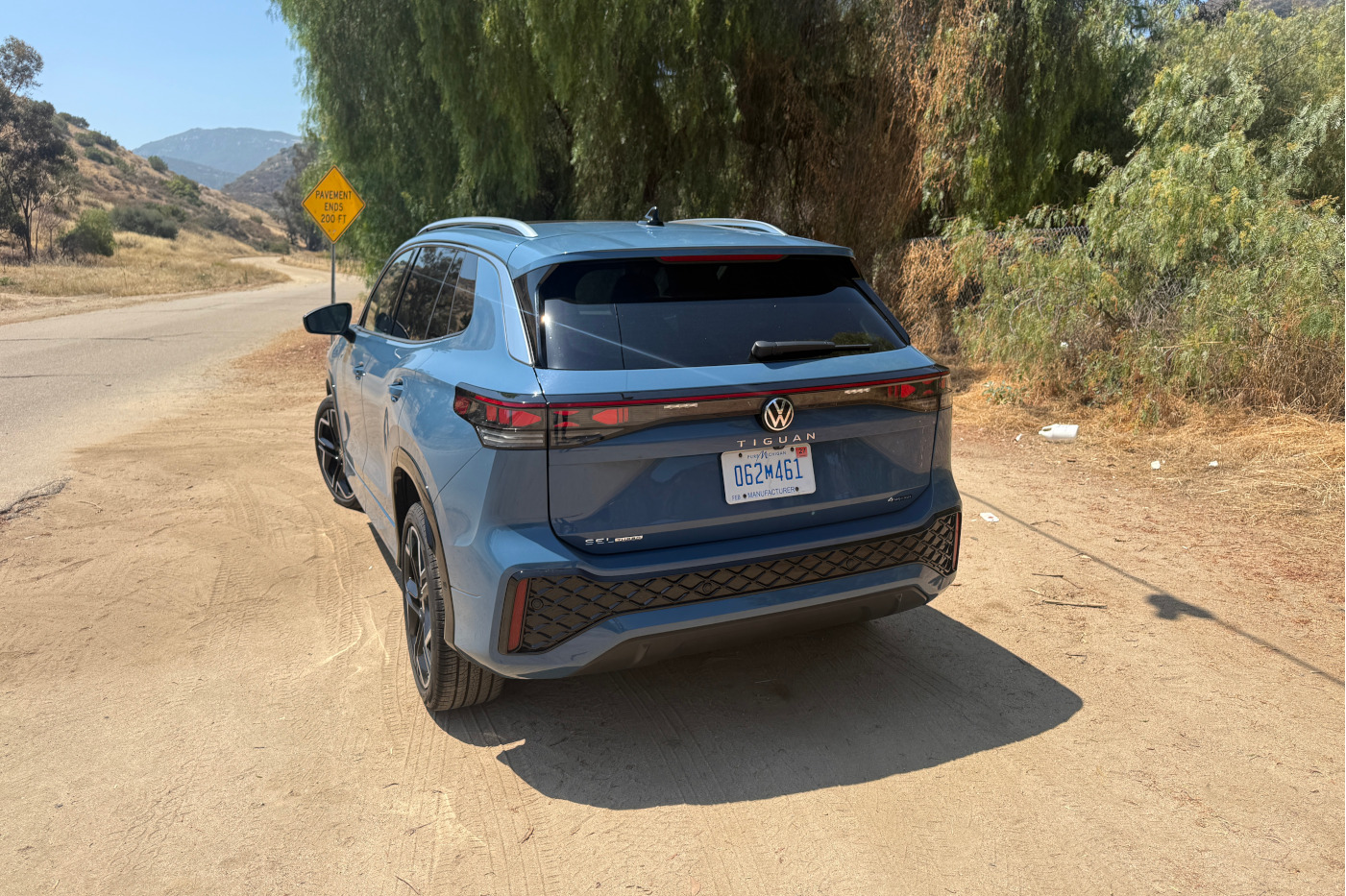
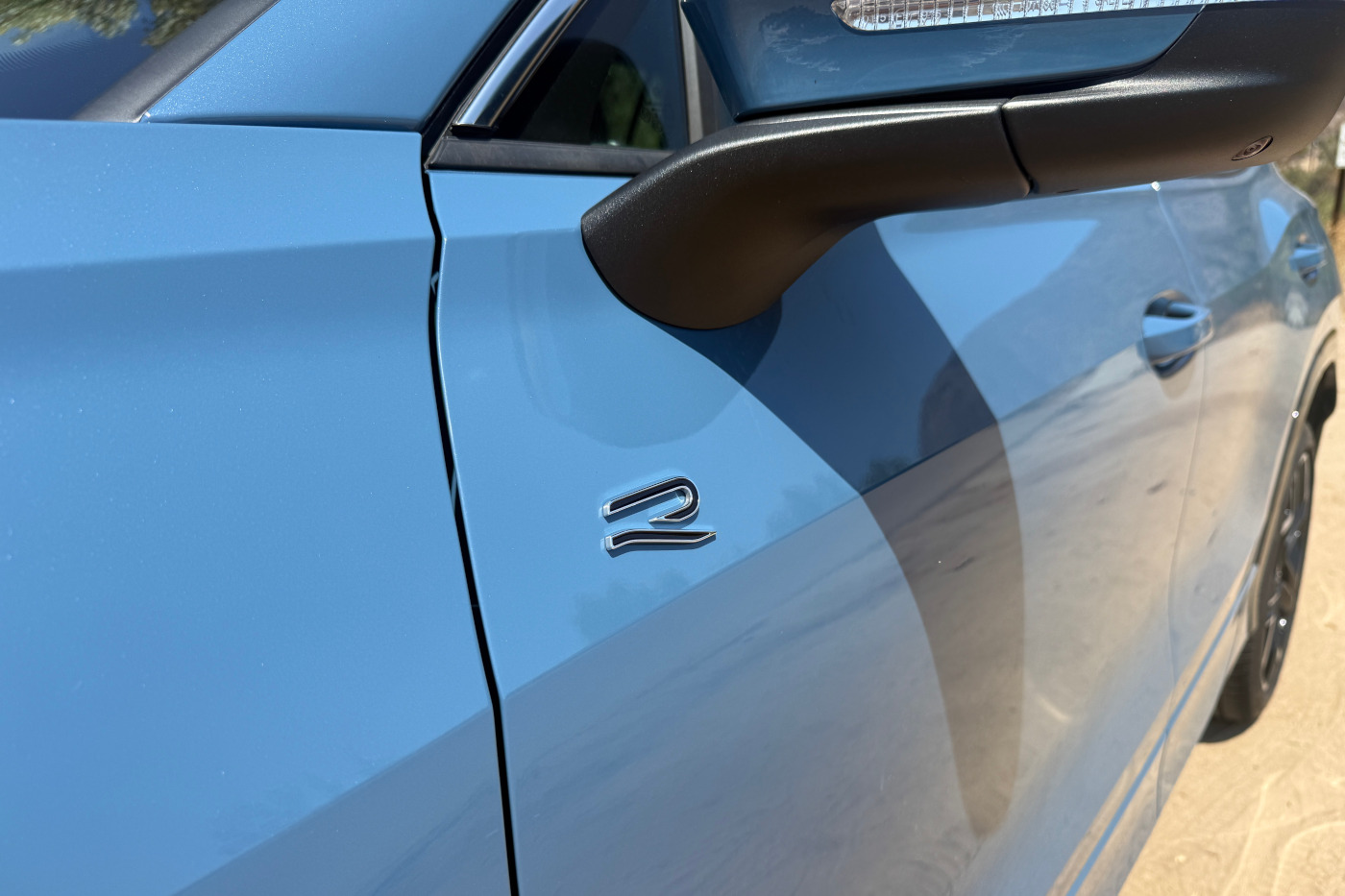
The extra power is most noticeable when you’re already moving. Need to overtake someone who’s driving as they’ve just discovered the brake pedal? No problem. The engine surges forward with genuine enthusiasm, while the eight-speed automatic does an admirable job of keeping everything in the sweet spot. There are even paddle shifters. Admittedly, pulling one is a bit like sending a letter by Royal Mail. You make the request, wait a moment, and eventually the gear arrives. But at least the effort was made.
Now, before you get too excited, this isn’t some sort of SUV-shaped Golf R. You’re still sitting in something that’s nearly two tonnes and about as aerodynamic as a garden shed. Yet on a winding road, something surprising happens. It starts to dance. Once the weight settles and the suspension gets into its stride, you realise Volkswagen’s engineers have hidden a rather good chassis beneath all the crossover nonsense. The steering is sharp, the body control is excellent, and the whole thing attacks corners with far more enthusiasm than any family SUV has a right to. Of course, there’s still body roll. Physics hasn’t been cancelled yet. And the steering, while accurate, communicates about as much information as a government press release. But compared with most SUVs in this class, the Tiguan feels genuinely eager.
The ride is classic German. Firm at first, then beautifully controlled. It doesn’t float over bumps like a luxury car, nor does it crash over them like some so-called sporty SUVs. It simply gets on with the job in a way that inspires confidence. In many ways, this is the SUV for someone who used to own a GTI but now spends their weekends driving children to football practice and transporting flat-pack furniture. It retains a hint of that hot-hatch spirit without requiring you to explain to your spouse why the rear seats are too small.
Interior
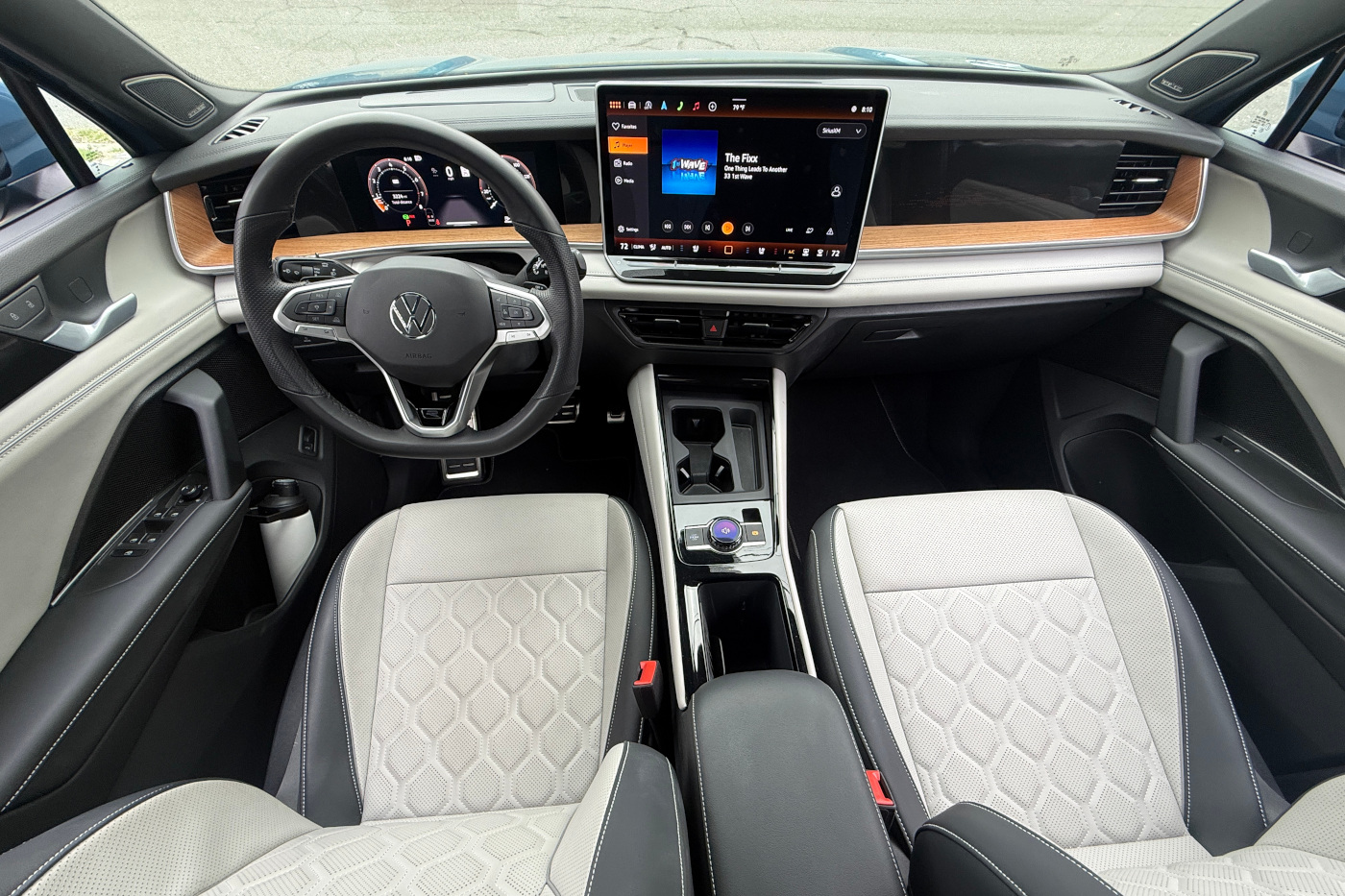
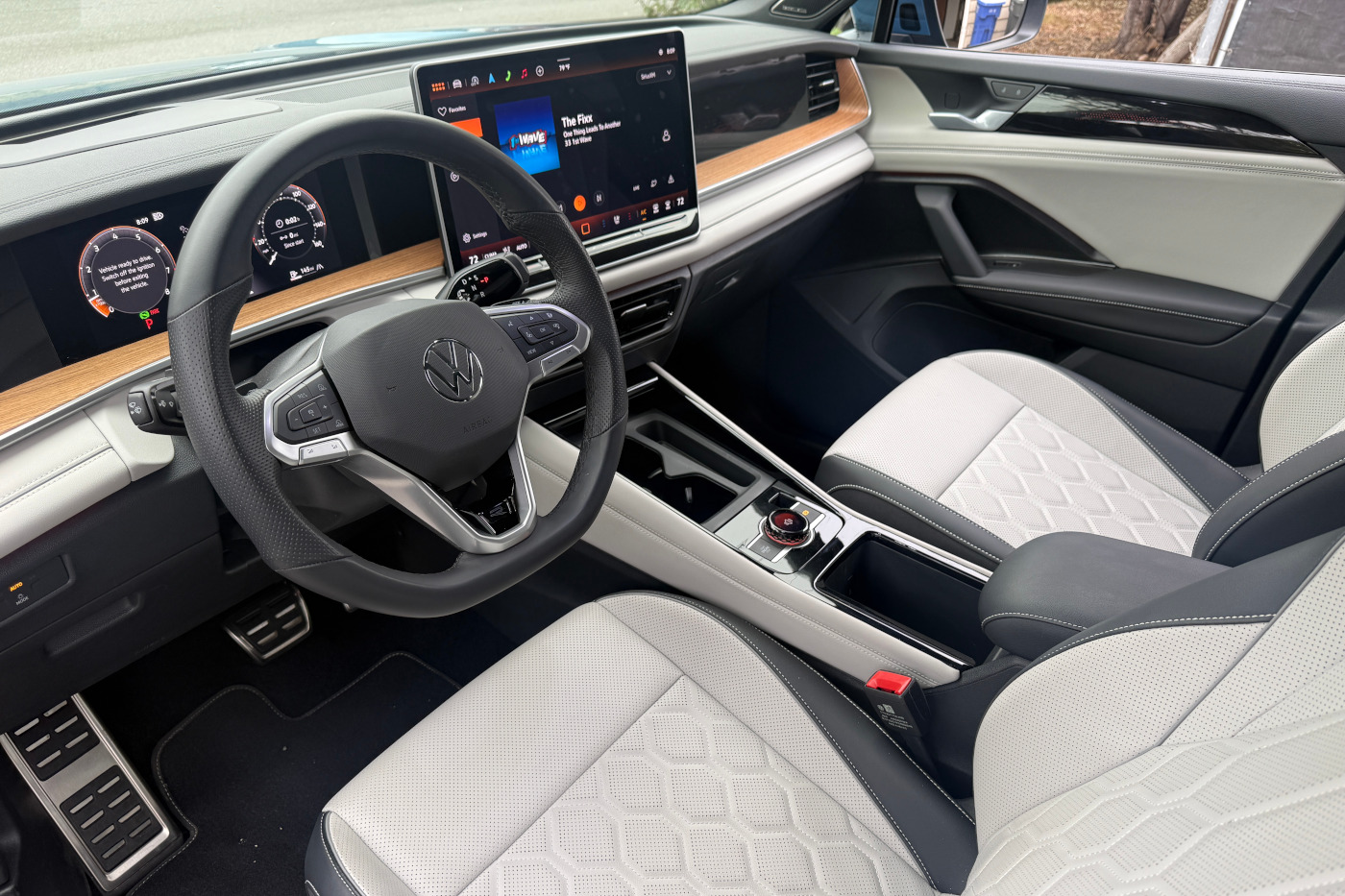
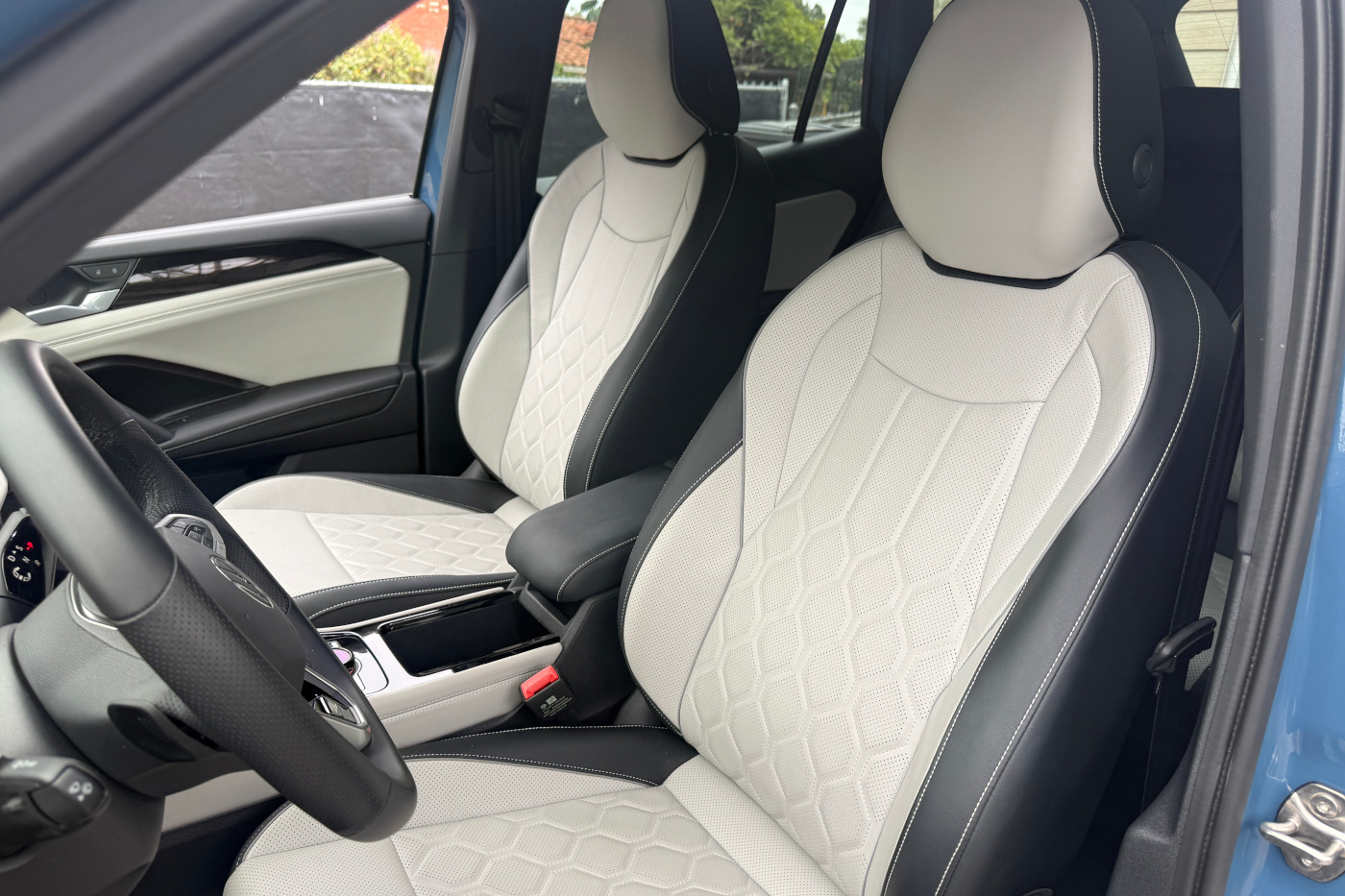
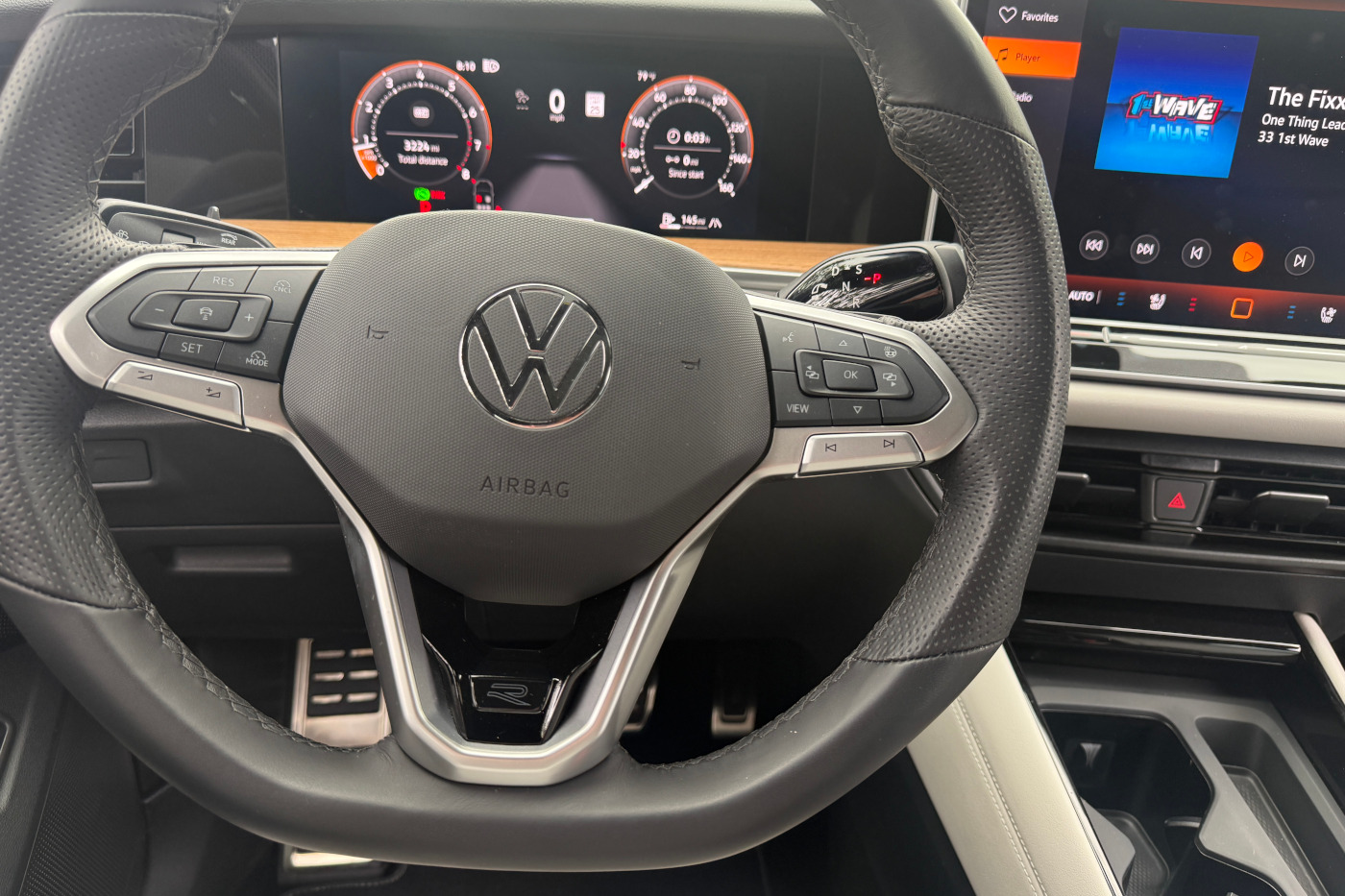
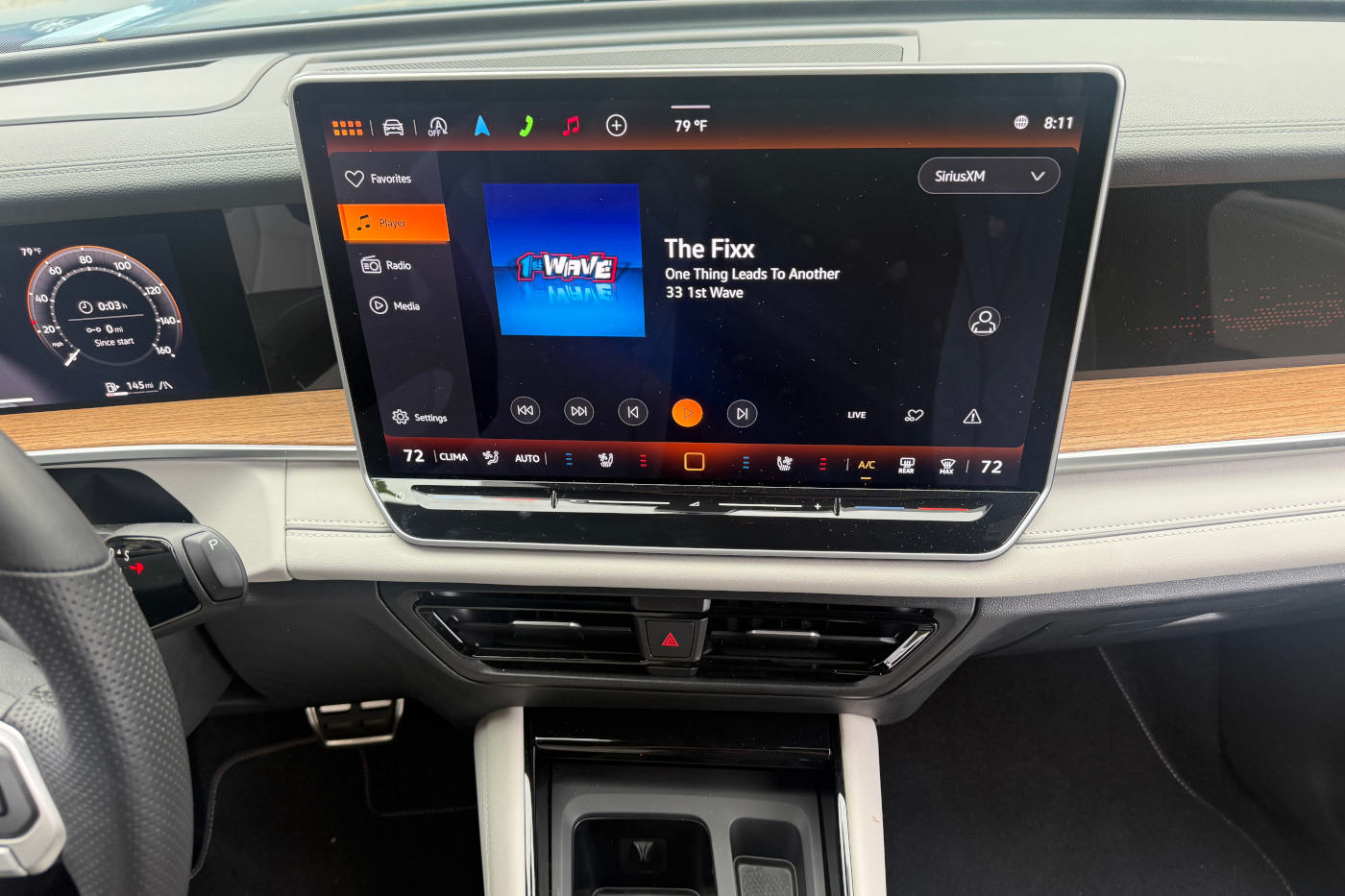
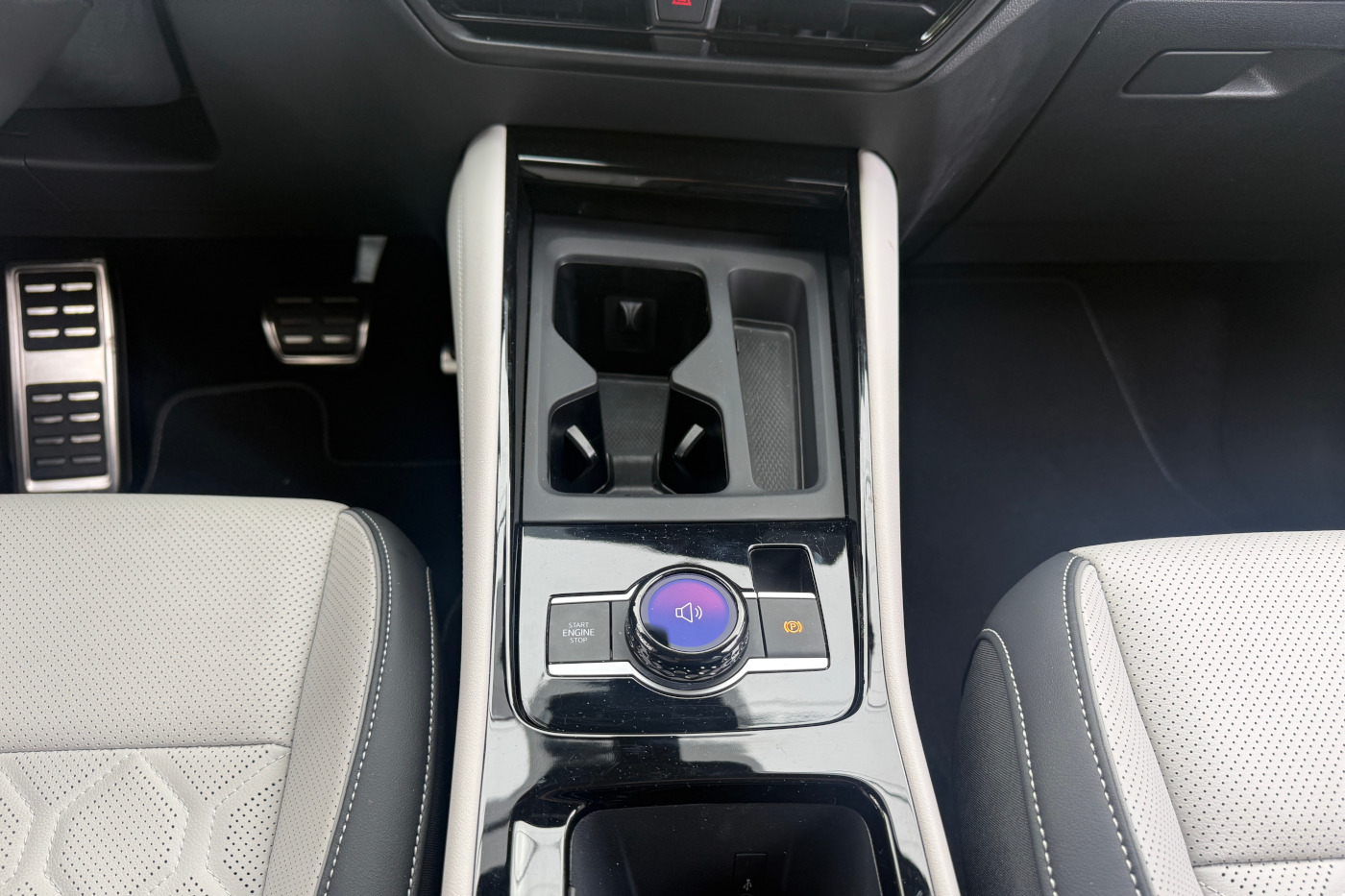
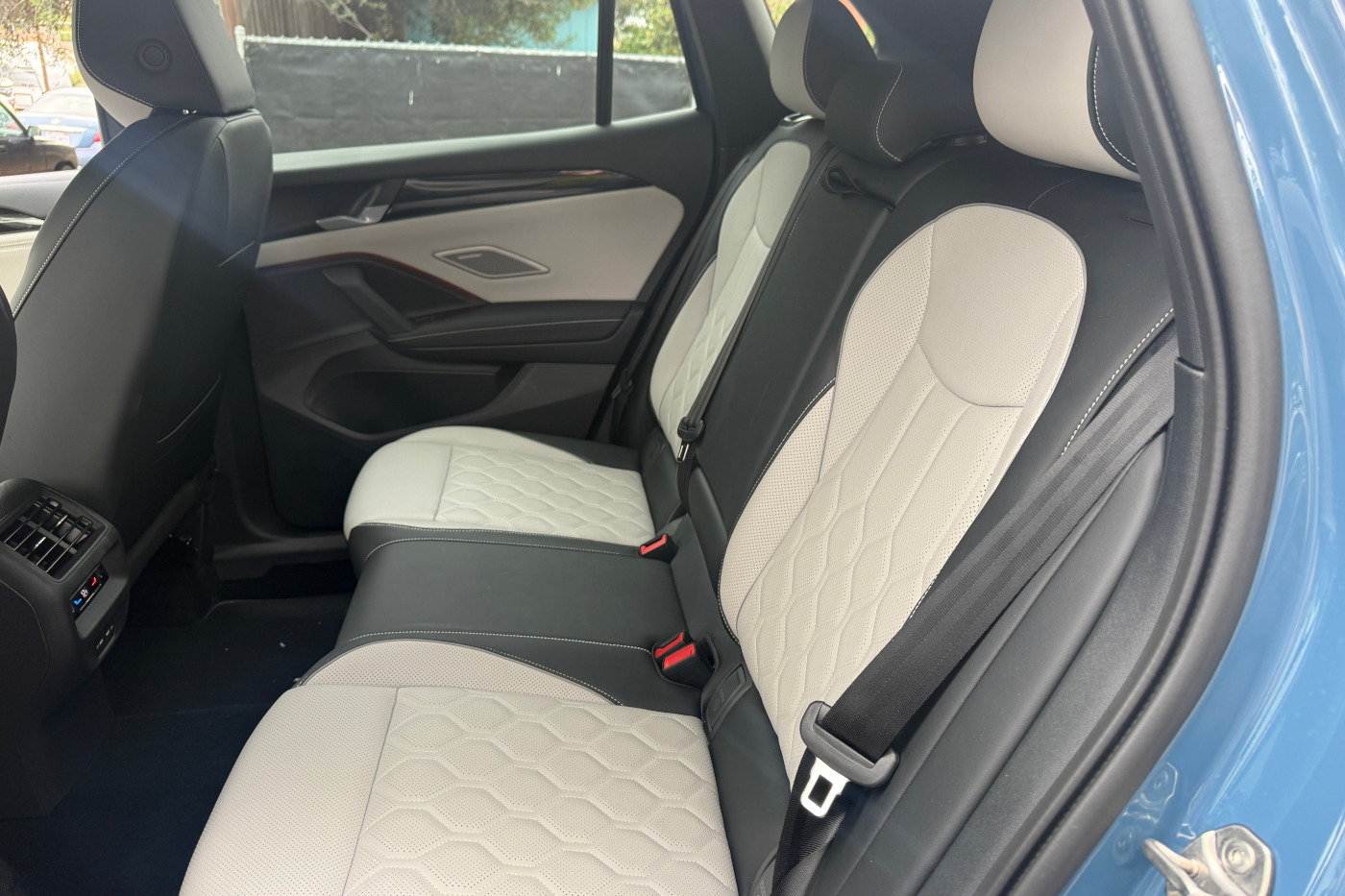
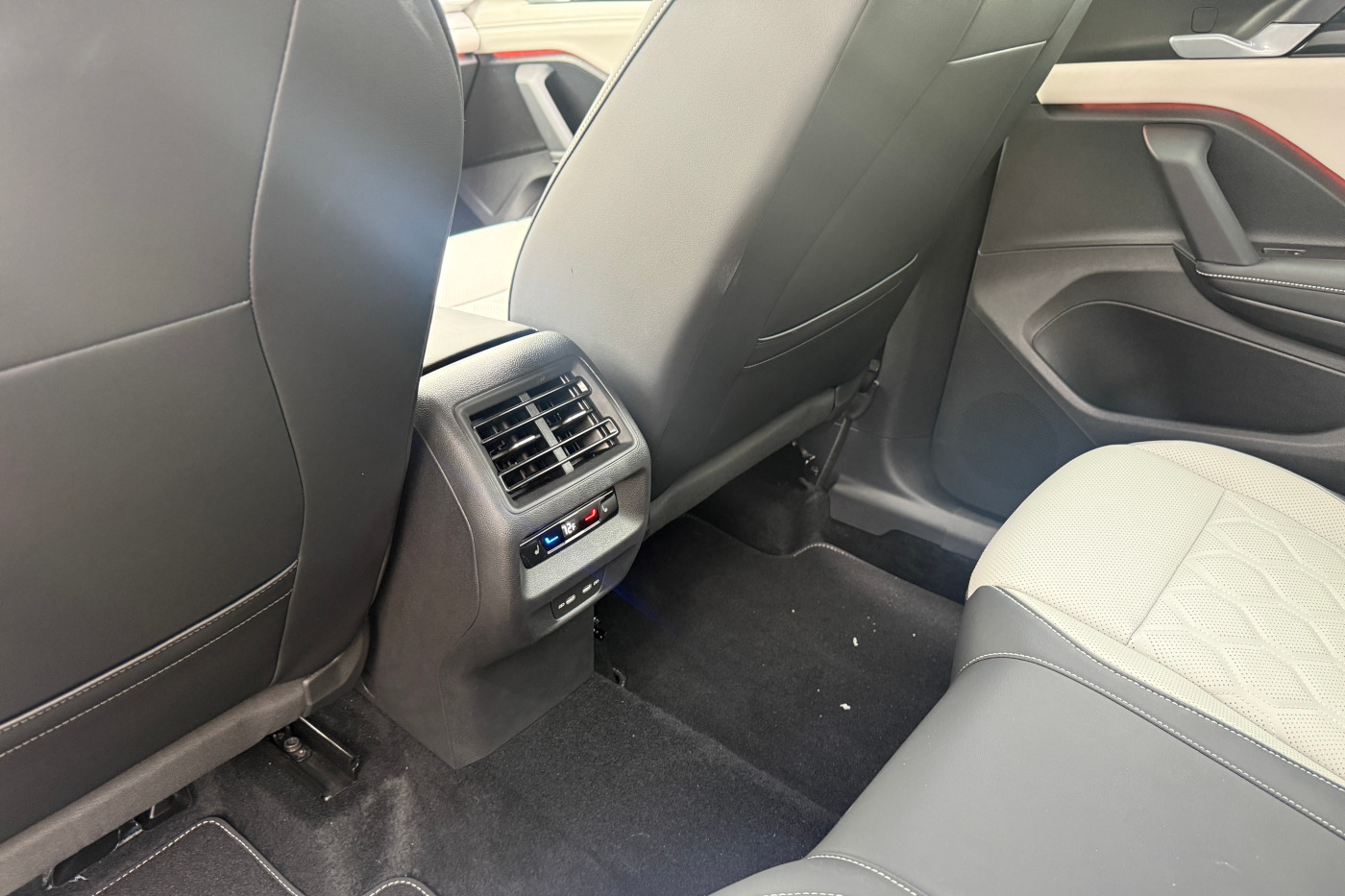
Inside, Volkswagen has finally remembered how to build a proper cabin. The old Tiguan’s interior was fine, but this one feels positively posh. The seats are particularly impressive. They come heated, ventilated, and with massage because, apparently, Volkswagen has decided that middle management deserves spa treatment. There’s more space everywhere, although the optional third row has been sent to the same place as cassette players and common sense. In exchange, cargo capacity grows significantly, making this a genuinely useful family hauler. The materials are remarkably good. Real leather. Real wood. Real effort. In fact, there are moments when the Tiguan feels Audi-like suspiciously. Which isn’t surprising, considering the top-spec Turbo shares much of its mechanical DNA with an Audi Q5. The Harman Kardon audio system is excellent too, assuming you enjoy bass. It produces enough low-end thump to rearrange your internal organs.
The technology, meanwhile, is both brilliant and infuriating. The digital instrument cluster is crisp. The enormous 15-inch touchscreen looks impressive. And the graphics are excellent. But Volkswagen continues to insist that touch-sensitive haptic controls are the future. They’re not. Nobody likes them. Nobody has ever said, “You know what this volume control needs? Less certainty.” Sometimes they ignore your finger entirely. Other times, they react as though you’ve struck them with a hammer. Traditional buttons worked perfectly. We solved this problem in the 1980s. Thankfully, sanity has returned to the steering wheel, where proper physical buttons have replaced the dreadful touch-sensitive nonsense from previous Volkswagens. Safety equipment is comprehensive, too. Adaptive cruise control, lane centring, blind-spot monitoring, collision avoidance systems, and enough airbags to cushion a fall from low Earth orbit.
Cargo Space
Now let’s talk about cargo space, because this is the point where the Tiguan stops pretending to be a sporty SUV and remembers it’s actually a German removal van. Behind the rear seats, you’ve got 34 cubic feet of room, which is enough for several suitcases, a week’s worth of Costco supplies, or one particularly ambitious garden center shopping spree. Fold the second row flat, however, and that expands to a cavernous 70 cubic feet. Seventy! That’s not cargo space; that’s a small apartment in central London. You could fit bicycles, flat-pack furniture, a Labrador the size of a horse, and still have room left over for the regret that comes from assembling Swedish bookshelves on a Sunday afternoon.
Price
The price of this Tiguan SEL R-Line Turbo, as tested, comes to $45,410, which is remarkably inexpensive given what you get. In a world where some SUVs now cost the same as a detached house did in 1987, $45,410 for something this well-finished, this spacious, and this loaded with kit feels almost suspiciously reasonable. The Tiguan is like finding a Michelin-starred meal that doesn’t require a second mortgage.
VIDEO REVIEW
Verdict
The Tiguan SEL R-Line Turbo isn’t perfect. The name is ridiculous. The haptic controls remain annoying. And it still lacks that final layer of engagement that would make it a true GTI SUV. But it has character. It feels expensive. It drives with surprising enthusiasm. And unlike many crossovers, it doesn’t feel as though it was designed by a committee whose sole objective was to eliminate joy. The Mazda CX-50 remains excellent. The Honda CR-V remains sensible. But the Tiguan Turbo offers something those cars struggle to match: genuine German swagger. Most importantly, it hints at something tantalising. If Volkswagen ever decides to build a proper Tiguan GTI, this feels very much like the warm-up act. And that’s a very encouraging thought indeed.
2026 VW Tiguan SEL R-Line 4Motion Turbo
BASE PRICE: $43,085
PRICE AS TESTED: $45,015
VEHICLE LAYOUT: Front-engine, all-wheel-drive, 5-passenger, 4-door SUV
ENGINE: Turbocharged and inter-cooled DOHC 16-valve 2.0-liter inline-4
POWER: 268 hp @ 6,500 rpm
TORQUE: 258 lb-ft @ 1,900 rpm
TRANSMISSION: 8-speed automatic
0-60 MPH: 6.7 Seconds
CURB WEIGHT: 3,957 lbs
CARGO VOLUME: 26.5 ft³, 58.9 ft³ with seat area
FUEL ECONOMY: 22/29/25 city/hwy/combined
OUR OBSERVED: 18.5 mpg
PROS: Posh interior, incredible value, zippy 2.0 Turbo, handles well, good interior space
CONS: Irritating lag from a stop, still has sliders for the temp controls
2026 Volkswagen Tiguan Turbo Review
